Do I really need to insulate my shed in Belgrade?
That's the first question I always hear, and the short answer is: probably. Look, we live in Belgrade. Our winters are no joke. If you're just storing a lawnmower and some shovels that you only touch from May to October, maybe not. But if you're using that shed as a workshop, a home office, a place for your hobbies, or even just to store things that can't handle freezing temperatures – like paint, certain chemicals, or sensitive tools – then yes, you absolutely need insulation. Without it, you're fighting a losing battle against the cold, and in summer, against the heat too. It's not just about comfort; it's about protecting your stuff and making the space usable year-round.
What's the best type of insulation for a shed?
There's no single 'best' type, it really depends on what you're trying to achieve and your budget. For most sheds, especially if you're looking for a good balance of performance and cost, I usually recommend a few options:
Fiberglass Batts: These are common, affordable, and pretty easy to install yourself if you're handy. You'll want to make sure you get the right R-value for our climate – R-13 for 2x4 walls and R-19 for 2x6 walls is a good starting point. Just remember to wear protective gear; that stuff can be itchy.
Rigid Foam Boards (XPS or Polyiso): These are excellent for sheds because they offer high R-values in thinner profiles, and they're great at resisting moisture. They're a bit more expensive than batts, but they cut down on air leakage significantly. You can often fit them between studs or even on the exterior if you're building new or re-siding.
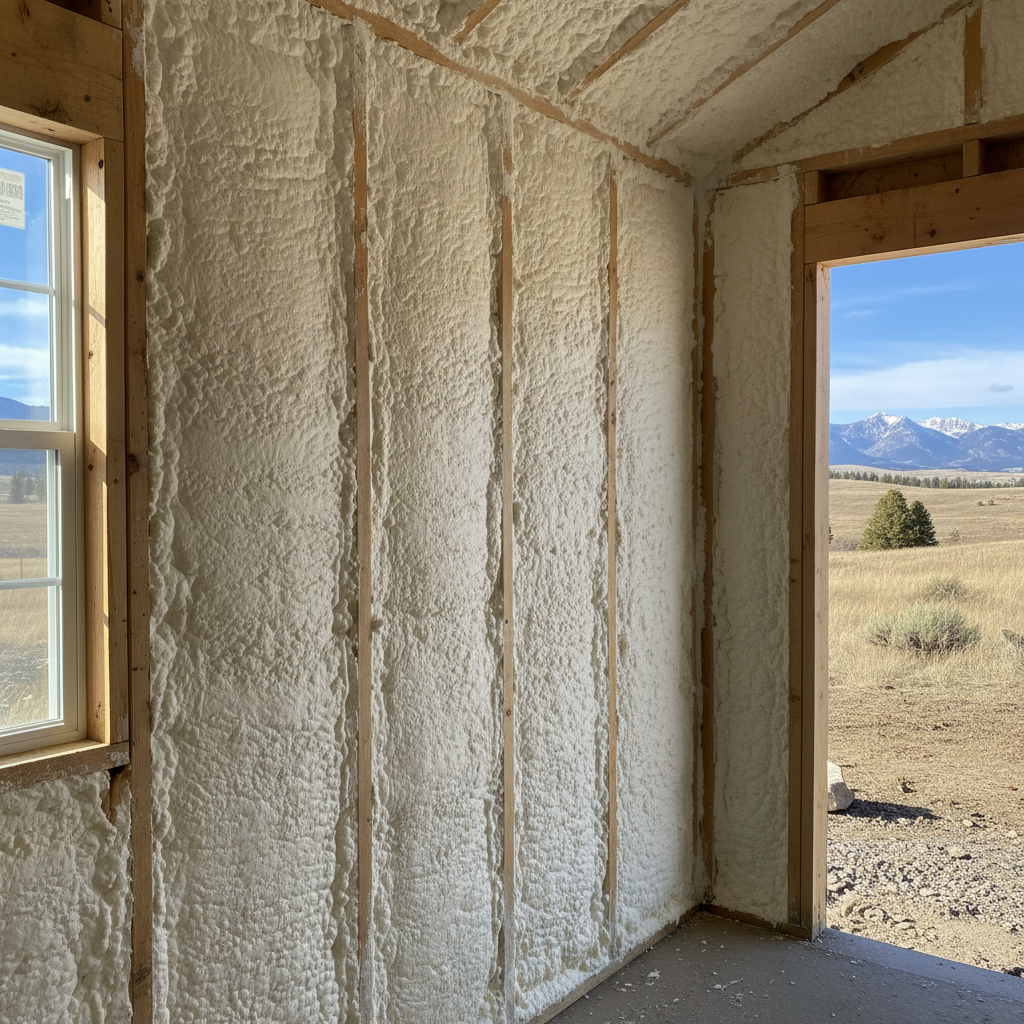
Spray Foam (DIY Kits): If you want top-tier performance and don't mind a bit more cost and a slightly trickier application, DIY spray foam kits are fantastic. They seal every crack and crevice, creating an airtight barrier that's hard to beat. This is especially good if your shed isn't perfectly square or has lots of odd angles. I've seen homeowners around the Ryen Glenn area use this effectively in their backyard sheds.
Whatever you pick, make sure you're thinking about both thermal resistance (R-value) and air sealing. They go hand-in-hand.
Do I need a vapor barrier with shed insulation?
Yep, almost always. A vapor barrier (or vapor retarder, to be precise) is crucial, especially in a climate like ours with big temperature swings. What happens is, warm, moist air from inside your shed tries to move towards the colder outside. When it hits that cold surface inside your wall or ceiling, it condenses into liquid water. That moisture can lead to mold, rot, and ruined insulation. A vapor barrier, typically a sheet of polyethylene plastic, goes on the warm side of your insulation (the interior side) to stop that moisture migration. Don't skip this step; it's cheap insurance against bigger problems down the road.
What about insulating the floor and ceiling?
People often focus on the walls and forget the top and bottom, but that's a big mistake. Heat rises, so an uninsulated ceiling is like leaving a window open at the top. You'll lose a ton of heat in winter and gain a ton of heat in summer. Insulating the ceiling is just as important as the walls, if not more so. For floors, especially if your shed is on skids or a raised foundation, cold air can easily get underneath. Insulating the floor will make a huge difference in comfort and energy efficiency. You can use rigid foam boards or even fiberglass batts held in place with netting or rigid sheathing underneath. Just make sure whatever you use for the floor is protected from moisture if it's close to the ground.
How much R-value do I need for my Belgrade shed?
For a shed that you want to be comfortable and functional year-round, you shouldn't skimp. For walls, I'd aim for at least R-13 in 2x4 construction, and R-19 if you have 2x6 walls. For the ceiling, you want even more – R-30 to R-38 is ideal. For the floor, R-10 to R-19 is a good target, depending on how exposed it is. Remember, higher R-value means better insulation, but there are diminishing returns past a certain point. The key is to balance performance with cost and space. Don't forget that good windows and doors are also a huge part of your overall R-value.
Can I insulate an existing shed, or is it too late?
It's almost never too late! Insulating an existing shed is totally doable. It might be a bit more work than doing it during construction, but the benefits are well worth it. You'll likely be insulating from the inside. This usually means adding insulation between the studs and rafters, then covering it with an interior finish like plywood, OSB, or drywall. If your shed already has an interior finish, you might need to remove it first, or consider adding rigid foam board directly to the interior surface and then covering that. Just make sure you address any existing moisture issues or structural problems before you start insulating.
Should I ventilate my insulated shed?
Absolutely, yes. This is another critical piece that often gets overlooked. Even with a vapor barrier, some moisture will always find its way in, whether it's from humidity in the air, things you bring into the shed, or even just your own breath if you're working in there. Proper ventilation helps prevent moisture buildup, which can lead to mold and mildew, and keeps the air fresh. Simple gable vents, ridge vents, or even a small powered fan can make a huge difference. You want to create a path for air to enter low and exit high, allowing for good airflow. This is especially important for attics or roof cavities above your ceiling insulation.
What about sealing air leaks?
Insulation and air sealing are two sides of the same coin. You can have the highest R-value insulation in the world, but if air is constantly leaking in and out through gaps and cracks, you're throwing money away. Before you even think about putting up insulation, go around your shed with a can of caulk and some expanding foam. Seal around windows, doors, electrical outlets, and any penetrations for wires or pipes. Pay attention to where the walls meet the floor and ceiling. This step is often overlooked, but it's one of the most cost-effective ways to improve your shed's energy performance. Here at Alpha Insulation Company, we always stress this to our customers. A well-sealed shed will be much more comfortable and efficient, regardless of the insulation type you choose.